Blue light protection has become a skincare buzzword - but does your sunscreen actually need it? As a dermatologist, here's the short answer: if you spend time outdoors or in front of screens, yes. Below, I'll explain what blue light does to your skin, which ingredients actually block it, and how to pick a sunscreen that handles both UV and blue light.
Understanding Blue Light and Its Effects on Your Skin
While UV rays are a leading cause of skin damage, blue light also contributes to premature aging and pigmentation issues. Blue light penetrates deeply into the skin, generating oxidative stress that accelerates aging and can lead to uneven skin tone. For athletes and active individuals who spend hours outdoors combined with regular screen exposure, the cumulative effects of blue light can be significant.
Sunscreens That Offer Blue Light Protection
Not all sunscreens protect against blue light, so it’s important to know what to look for. To effectively shield your skin, consider these types of sunscreens:
1. Mineral-Based Sunscreens
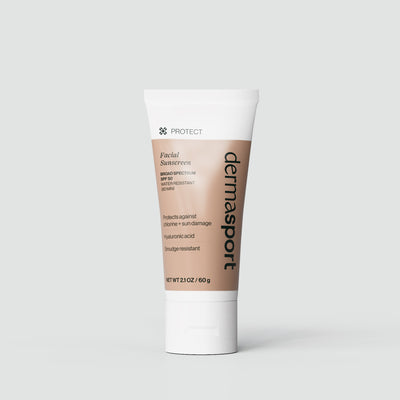
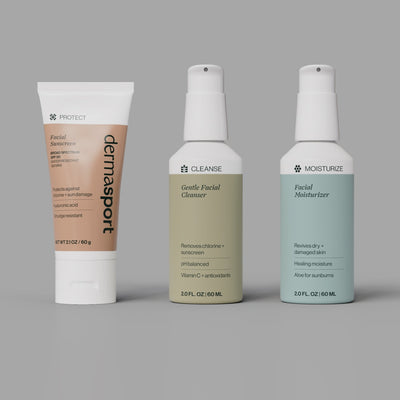
Mineral or physical sunscreens containing zinc oxide like Dermasport's Facial Sunscreen are excellent for blue light protection. These minerals reflect and scatter light, preventing it from penetrating deeply into the skin. Plus, mineral sunscreens are often gentle, making them suitable for sensitive skin.
2. Tinted Sunscreens with Iron Oxides
Tinted sunscreens that contain iron oxides go a step further by blocking visible light, including blue light. This is especially beneficial for individuals prone to pigmentation issues, as it offers more comprehensive protection. I recommend tinted formulas for patients who want to reduce hyperpigmentation and achieve a more even skin tone.
3. Antioxidant-Infused Sunscreens
Antioxidants like vitamin C, niacinamide, and algae extracts work alongside sunscreen to neutralize free radicals generated by blue light exposure. Antioxidant-enriched sunscreens are a smart choice for active individuals and those concerned with premature aging.
Sunscreens That Don’t Offer Blue Light Protection
Traditional chemical sunscreens, which often contain ingredients like oxybenzone, avobenzone, and octinoxate, are effective at blocking UVA and UVB rays but don’t offer significant blue light defense. If your goal is to protect against blue light, I suggest opting for mineral or tinted formulations.
Why Blue Light Protection Matters for Athletes
At Dermasport, we recognize that today’s sunscreen needs to do more than block UV rays. Swimmers and outdoor athletes are exposed to more sunlight than the average person, and blue light from sunlight only adds to their skin’s cumulative exposure. By including blue light defense, Dermasport aims to provide comprehensive protection that meets the demands of an active, outdoor lifestyle and supports healthy, resilient skin.
Making the Switch to Blue Light Protection
For those who spend time outdoors or around screens, blue light protection is an excellent addition to a daily skincare routine. When choosing a sunscreen, look for mineral blockers like zinc oxide, iron oxides, or antioxidant-rich formulas to achieve maximum defense. This proactive step can support your skin’s health and vitality and help you prevent signs of premature aging for years to come.
As a dermatologist, I believe informed choices make a difference. By selecting a sunscreen with blue light protection, you’re helping to safeguard your skin from both visible and invisible elements of our modern environment.