
You find a half-used bottle of sunscreen at the bottom of your training bag. The cap is still on. It looks normal. The only problem is that you cannot remember whether you bought it last summer or the summer before.
So, does sunscreen expire? Yes. And for athletes, the printed date is only part of the story. Heat, direct sun, and long stretches in a hot car can affect sunscreen before that date arrives.
In this blog, we will look at how long sunscreen lasts, what to do if there is no expiration date, the signs a formula may have gone bad, and how to store sunscreen so it is ready when you need it.
Does Sunscreen Expire? Yes, and the Date Is Only Part of the Story
Sunscreen is regulated as an over-the-counter drug in the United States. FDA rules require an expiration date unless stability testing shows that the product will remain stable for at least three years.
If your sunscreen has a printed expiration date, do not use it after that date.
So yes, sunscreen can expire. But the number printed on the bottle is not the only thing worth checking.
No Expiration Date? Here’s How Long Sunscreen Usually Lasts
If there is no expiration date, start with when you bought it.
The FDA recommends treating sunscreen without a printed date as expired three years after purchase. The American Academy of Dermatology also recommends writing the purchase date directly on the bottle when no expiration date is provided.
If your sunscreen lotion has no expiration date, writing down the purchase date can save you from guessing later.
If you genuinely cannot remember when you bought it, the FDA recommends discarding it rather than guessing.
That Bottle in Your Hot Car May Not Make It to the Expiration Date

Sunscreen does not always stay in a cool cabinet. For athletes, it often travels in cars, beach bags, race bags, golf bags, and training kits. That is convenient, but heat can work against you.
The AAD notes that sunscreen can spoil before its expiration date when it spends time in direct sunlight or a hot enclosed space such as a car. Heat can cause the ingredients to break down more quickly.
The practical fix is simple. If a bottle has spent repeated days in high heat, do not assume the printed expiration date tells the whole story.
Four Signs Your Sunscreen May Have Gone Bad Early
A date is useful, but the formula can also tell you when something is off.
The AAD recommends replacing sunscreen if you notice:
-
A clear change in color
-
A different or foul smell
-
Separation into visible layers
-
A dry or flaky consistency
These changes can be signs that the sunscreen has spoiled, even if the printed expiration date has not passed.
If a bottle suddenly looks, smells, or feels different from when you started using it, replacing it is the safer choice.
Does Expired Sunscreen Still Work?
Once sunscreen has expired, you should not rely on it to provide the protection stated on the label.
The FDA recommends discarding expired sunscreen because it may no longer be safe and effective. The AAD also explains that the active ingredients in sunscreen can break down over time.
That is why an old bottle is not the place to take chances before a long run, swim, ride, match, or day outside.
If the terminology on the bottle is part of the confusion, Dermasport’s guide to broad-spectrum, water-resistant, and reef-safe sunscreen labels breaks down what those claims actually mean.
Give Your Sunscreen a 60-Second Check Before Your Next Workout
Before you throw sunscreen into your training bag, run through this quick check:
-
Has the expiration date passed?
-
If there is no date, do you know when you bought it?
-
Has the bottle spent a lot of time in a hot car or direct sun?
-
Has the color, smell, or texture changed?
-
Has the formula separated?
If the product is still within its recommended shelf life and nothing about it has changed, follow the label directions as usual.
If you are not sure how old it is or something about the formula looks different, replace it.
Help Your Sunscreen Last as Long as It Should
How you store sunscreen matters.
Keep it away from prolonged direct sunlight and excessive heat whenever possible. The AAD specifically warns against leaving sunscreen in direct sun or hot enclosed spaces because the formula can break down sooner.
For athletes, think of sunscreen as part of your gear for the workout, not permanent gear for your car. Take it with you when you need it, then bring it back inside afterward.
Keep the cap closed securely, too.
When It’s Time to Replace It, Choose Sunscreen for How You Train
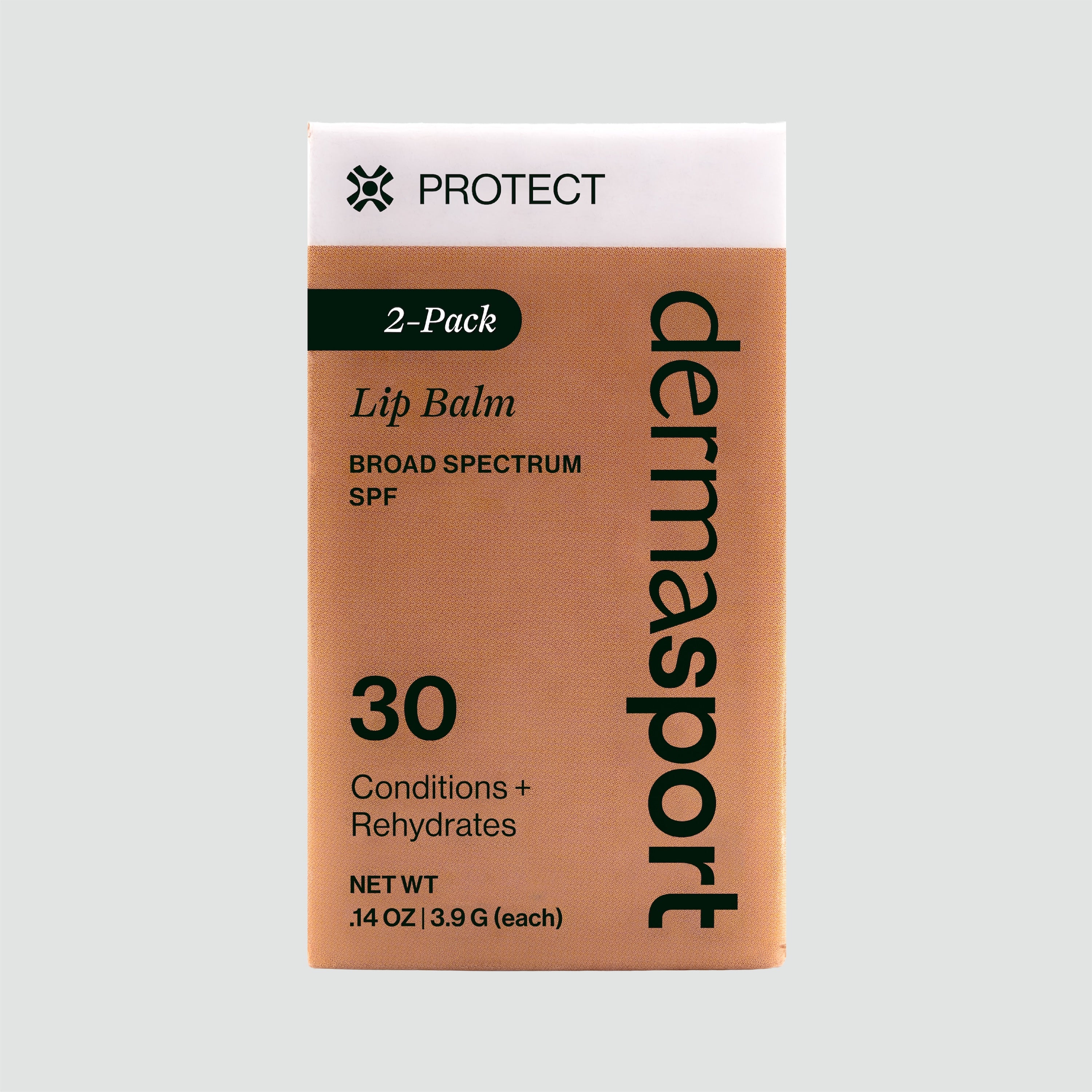
If your old bottle has reached the end of the road, replace it with something that fits the way you actually spend time outside.
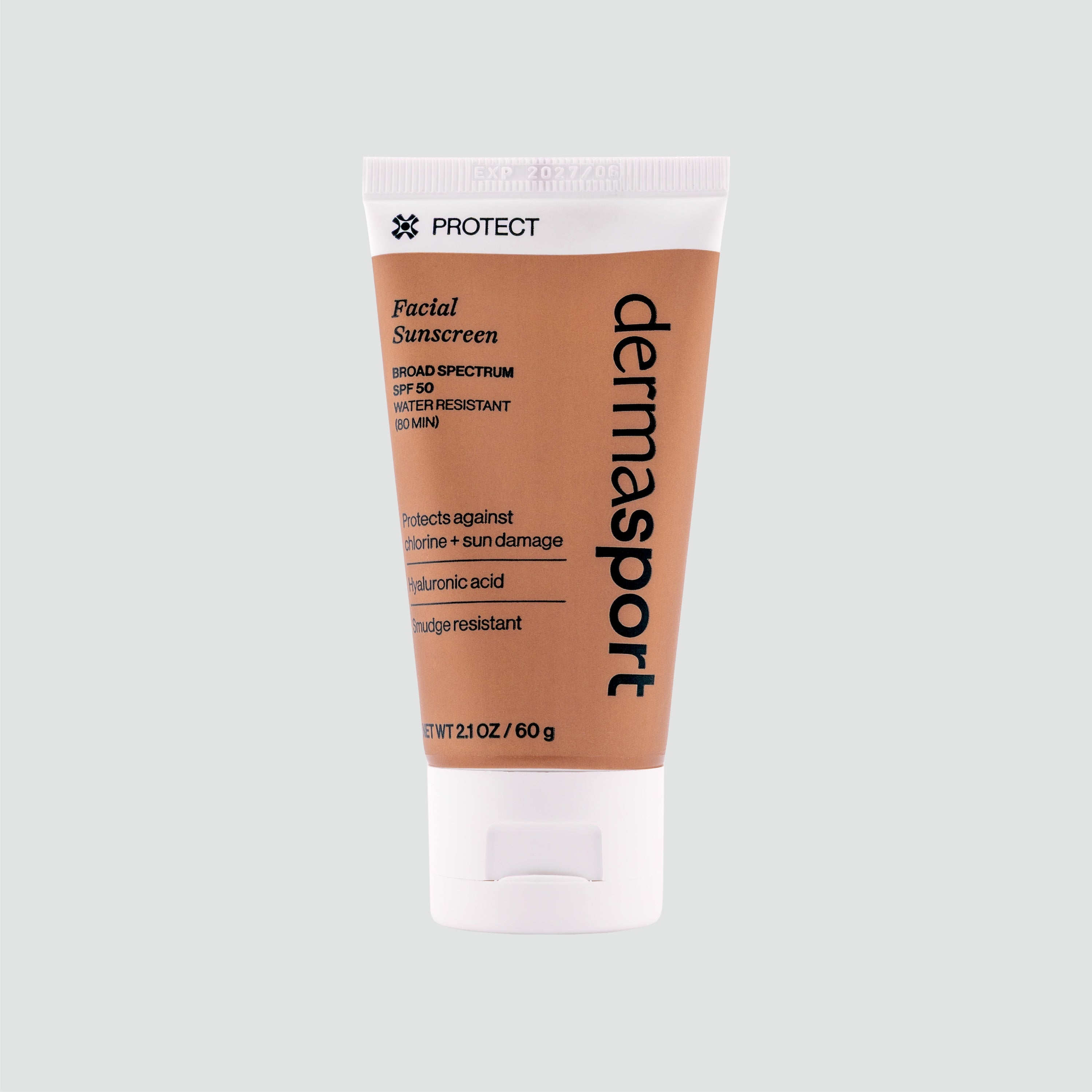
For your face, Dermasport’s SPF 50 Facial Sunscreen Lotion uses 20% non-nano zinc oxide, provides broad-spectrum SPF 50 protection, and is water resistant for 80 minutes.
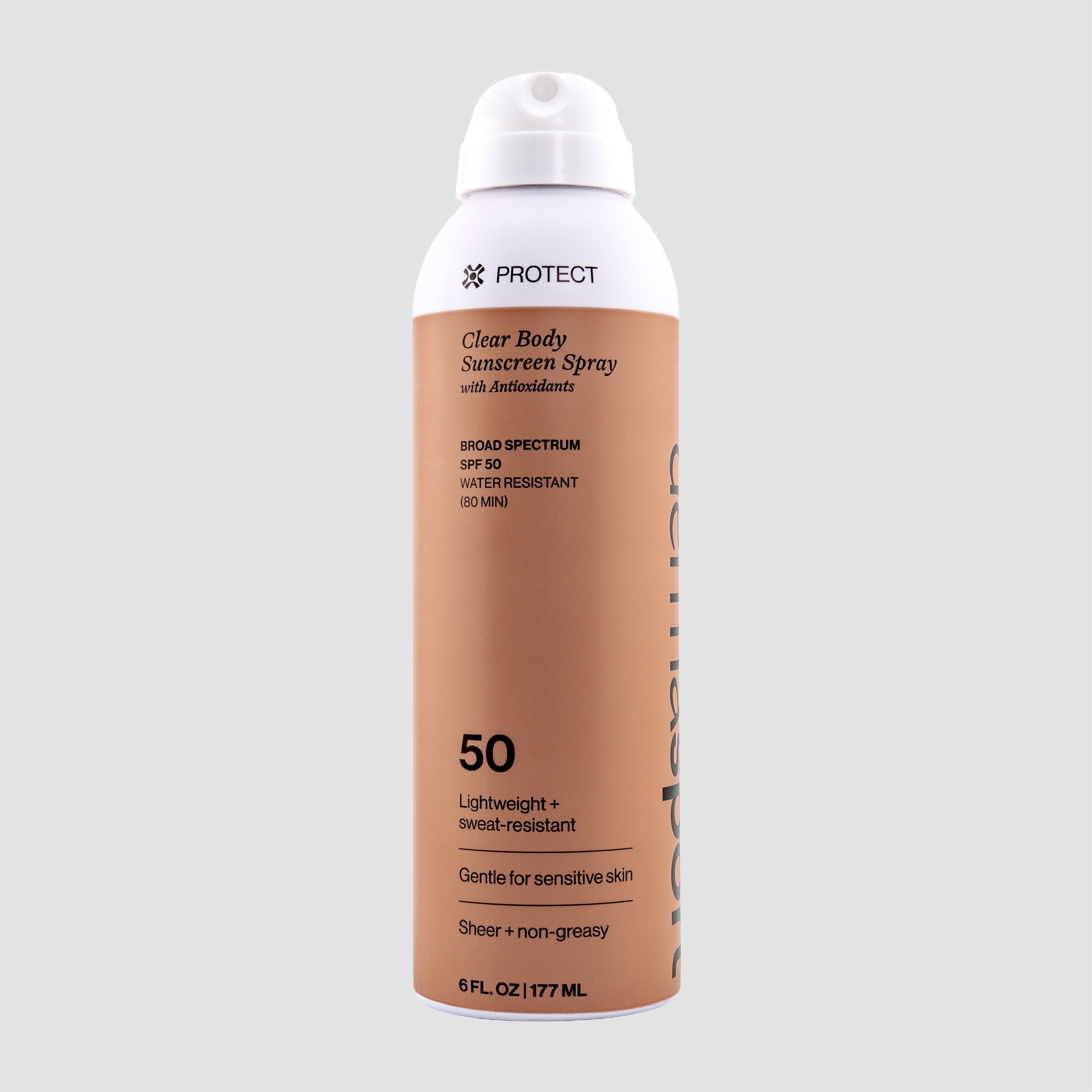
For faster body coverage, Dermasport’s Clear Body SPF 50 Sunscreen Spray goes on clear, dries quickly, and is also water resistant for 80 minutes.
The right replacement should fit where you train, how much you sweat, and where you need protection.
Frequently Asked Questions
Can sunscreen expire if it has never been opened?
Yes. Being unopened does not override the printed expiration date. If there is no date, follow the FDA’s three-year guidance.
How long does sunscreen last after you buy it?
If no expiration date is printed, the FDA says to consider it expired three years after purchase.
Can sunscreen go bad before the expiration date?
Yes. Heat and direct sunlight can cause sunscreen to spoil before the printed date.
What happens if you use expired sunscreen?
You should not rely on expired sunscreen to provide the protection stated on its label. The FDA recommends discarding it.
Should you keep sunscreen in your car?
Avoid leaving sunscreen in a hot car for long periods. Excessive heat can cause the formula to break down sooner.
Do Not Let Last Summer’s Bottle Make the Decision for You
Does sunscreen expire? Yes. But checking the date takes only a few seconds, and checking the bottle itself does not take much longer.
Look at its age, where it has been stored, and whether the formula has changed. If anything makes you question it, replace it before your next outdoor session.
Need fresh protection for your training kit? Explore Dermasport's athlete-focused sunscreen options and choose the formula that fits the way you spend time outside.


