
You applied sunscreen before your long run. You packed your gear. You even remembered to reapply after sweating.
Then a few days later, you notice it.
The tan lines.
So did your sunscreen fail, or is there more happening than you think?
The answer is not as simple as yes or no. Sunscreen can help reduce UV exposure, but it does not mean your skin will never tan. How much you tan depends on several factors, including how much sun you are exposed to, how sunscreen is applied, and how consistently it is reapplied.
For athletes who spend hours outdoors, understanding how sunscreen and tanning work together can help you build a better sun protection routine.
In this blog, we will look at whether sunscreen prevents tanning, why you can still tan while wearing SPF, what those tan lines actually mean, and how to choose sunscreen that fits your outdoor training.
Does Sunscreen Prevent Tanning? Here’s What Actually Happens
The short answer: sunscreen can reduce tanning, but it cannot guarantee that you will not tan.
SPF 30 filters about 97% of UVB rays, while SPF 50 filters about 98%. That is strong protection, but it is not 100%. Some UV exposure can still reach the skin, especially during long outdoor sessions or when sunscreen is under-applied or not reapplied consistently.
UV exposure can stimulate melanin production, which is what gives skin a tan. So saying sunscreen completely “prevents tanning” is too absolute. A better way to think about it is that sunscreen reduces UV exposure and can reduce tanning, but it does not make tanning impossible.
The American Academy of Dermatology recommends broad-spectrum, water-resistant SPF 30 or higher for outdoor sun protection.
For athletes, this matters because a short walk and a three-hour cycling session involve very different levels of sun exposure.
Why You Can Still Tan While Wearing Sunscreen
Seeing a tan after using sunscreen does not automatically mean your sunscreen failed.
There are a few reasons tanning can still happen:
-
Sunscreen may not have been applied evenly
-
Too little product may have been used
-
Some areas may have been missed
-
Sweat, swimming, or towel drying may have reduced coverage
-
Sunscreen may not have been reapplied during longer sessions
Outdoor athletes often spend extended periods in direct sunlight. A long run, weekend tournament, cycling session, or outdoor workout can add up to hours of exposure.
The goal of sunscreen is not to make outdoor activities impossible. It is to help protect your skin while you continue doing the activities you enjoy.
Those Tan Lines From Sunscreen? Here’s Why They Happen
Many athletes notice uneven tanning after spending time outside.
Maybe your watch area looks lighter. Maybe your shoulders, neck, or face have different shades after a long training session.
These tan lines from sunscreen do not necessarily mean your sunscreen did not work.
They can happen because different areas of your skin receive different levels of exposure.
Common reasons include:
-
Clothing covering certain areas
-
Sunscreen being applied unevenly
-
Some areas being easier to miss
-
Reapplication not happening consistently
Before a long outdoor session, pay attention to areas athletes often forget:
-
Ears
-
Neck
-
Hairline
-
Lips
-
Tops of feet
Small details can make your routine more consistent.
SPF Does Not Mean You Can Stay Outside Forever

A higher SPF does not mean unlimited time in the sun. For athletes, what matters is making the basic habits easy to repeat.
-
Apply sunscreen 15 minutes before going outside.
-
Use enough to cover all exposed skin.
-
Reapply at least every two hours, and more often after swimming or heavy sweating, following the label directions.
-
Use protective clothing and shade when practical.
-
Keep sunscreen somewhere easy to reach during longer sessions.
Sweat, swimming, and towel drying can reduce coverage, so a water-resistant formula matters when your training involves heavy sweating or water.
The goal is not to add more steps. It is to make the important ones automatic.
Want a Tan? “Tanmaxxing” Gets the UV Index Backwards
Some people like the look of a tan. But a UV-induced tan is still a sign of skin damage.
That is also why the social media trend known as “tanmaxxing” gets the UV Index backwards. The trend encourages people to deliberately seek stronger UV exposure, sometimes using a high UV Index as a signal that it is a good time to tan.
But a higher UV Index means stronger UV radiation and a greater need for sun protection, not a safer opportunity to tan. A tan is evidence that your skin has responded to UV damage.
If you want the look without deliberately increasing UV exposure, the American Academy of Dermatology recommends using a self-tanning product while continuing to wear sunscreen.
What Makes a Sunscreen Work for Outdoor Training?
If you train outside regularly, your sunscreen needs to match your routine.
Look for:
-
Broad-spectrum protection
-
SPF 30 or higher
-
Water resistance for sweaty or water-based activities
-
A finish that feels comfortable during training
-
A formula you can realistically reapply
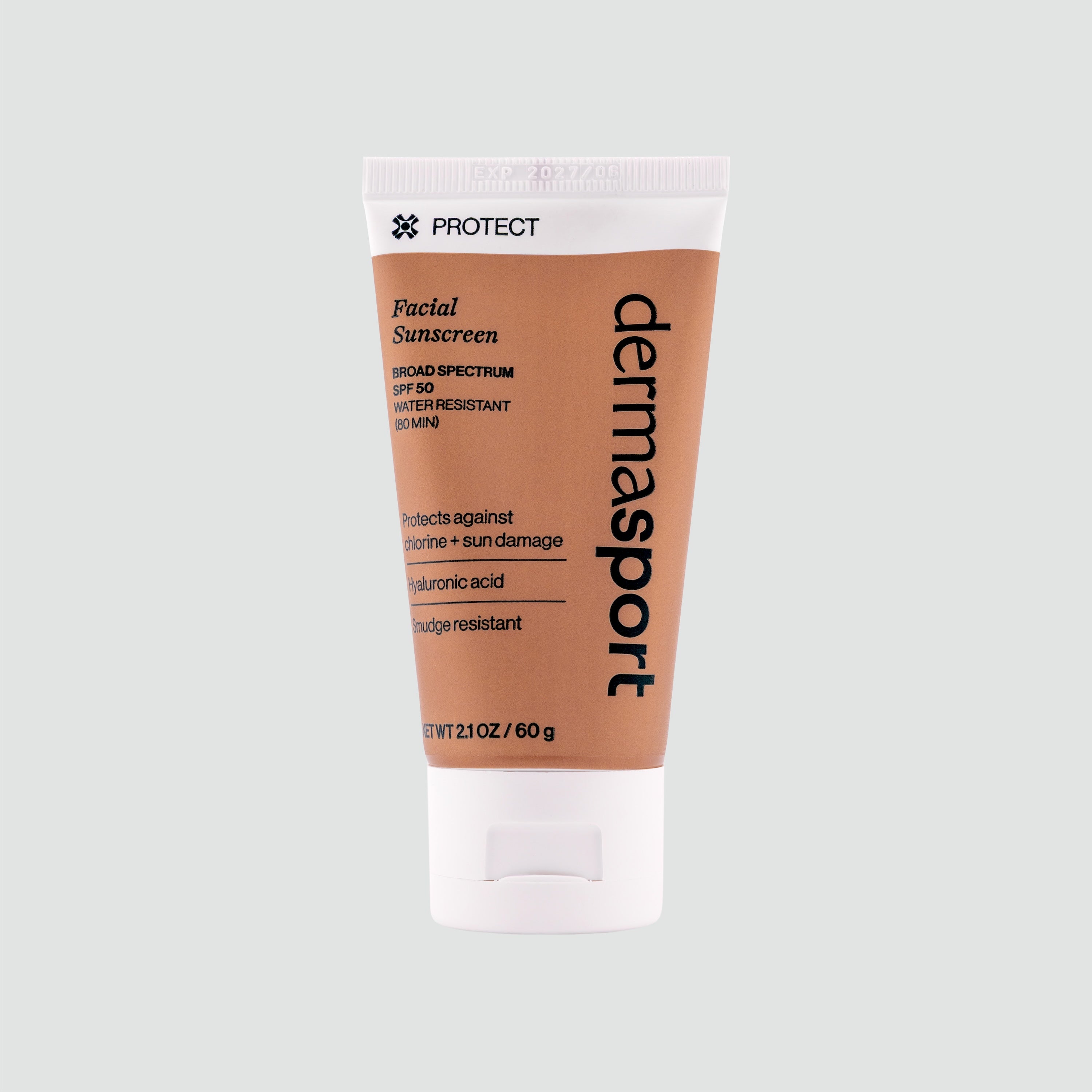
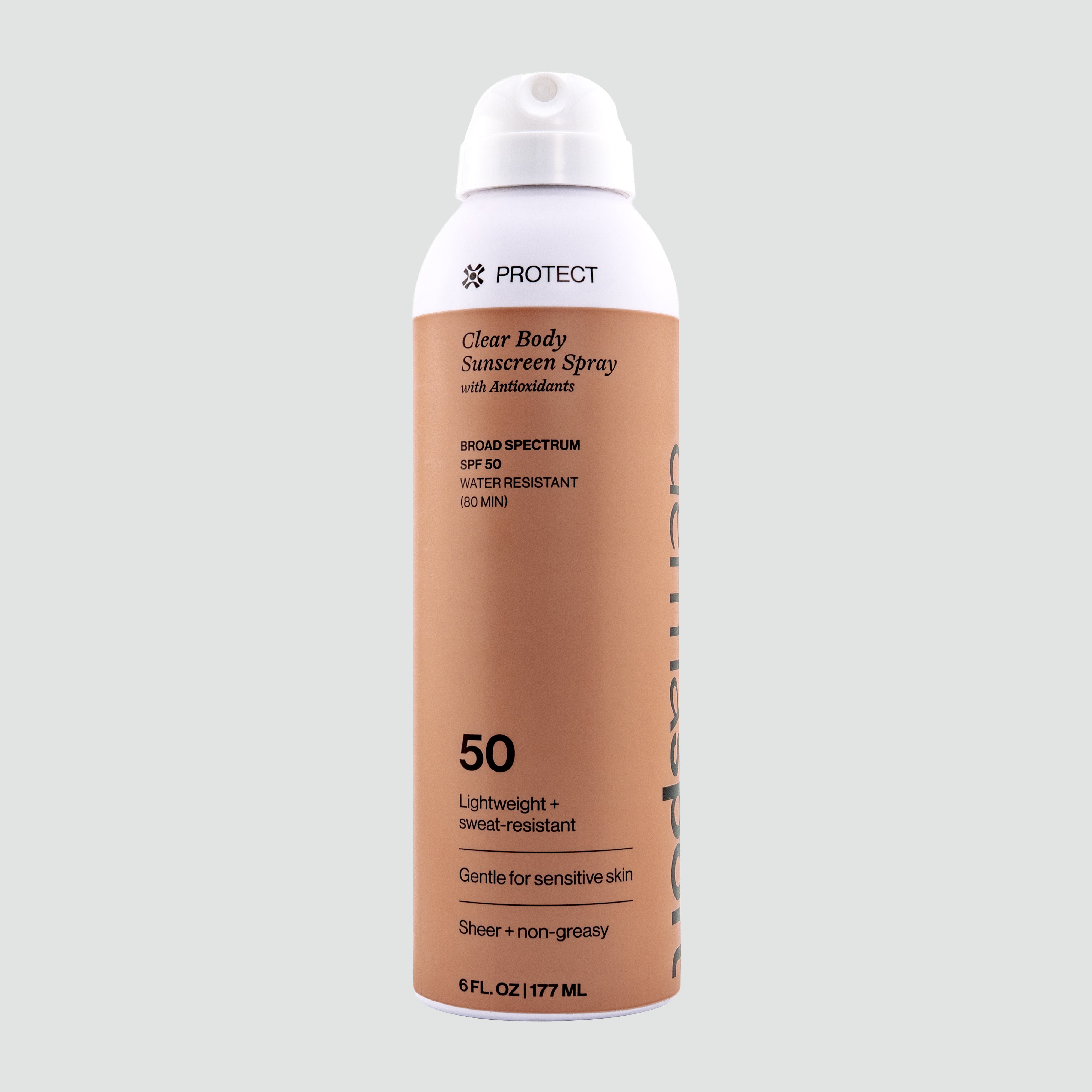
Dermasport’s SPF 50 Facial Sunscreen Lotion provides broad-spectrum SPF 50 protection, 80 minutes of water resistance, and 20% non-nano zinc oxide.
For outdoor training, choose sunscreen for protection, not for maximizing color.
```html
```
Frequently Asked Questions
Does sunscreen completely prevent tanning?
No. Sunscreen helps reduce UV exposure, but it does not guarantee that tanning will never occur.
Can you still tan with SPF 50?
Yes. SPF 50 provides high protection, but tanning can still happen depending on exposure time, application, and reapplication.
Why do I have tan lines from sunscreen?
Tan lines can happen when different areas of skin receive different levels of UV exposure or sunscreen coverage.
Does sunscreen stop sunburn?
Sunscreen helps reduce UV exposure that contributes to sunburn, but it needs to be applied correctly and reapplied as directed.
What is the best sunscreen for tanning outdoors?
Look for a sunscreen that provides broad-spectrum protection, matches your activity level, and feels comfortable enough to use consistently outdoors.
Sunscreen Is About More Than Avoiding a Tan
Getting a tan after outdoor training does not automatically mean your sunscreen failed. It does mean your skin still experienced some UV exposure.
The most effective sunscreen routine is the one you can maintain: applying before activity, reapplying when needed, and choosing a formula that fits the way you spend time outside.
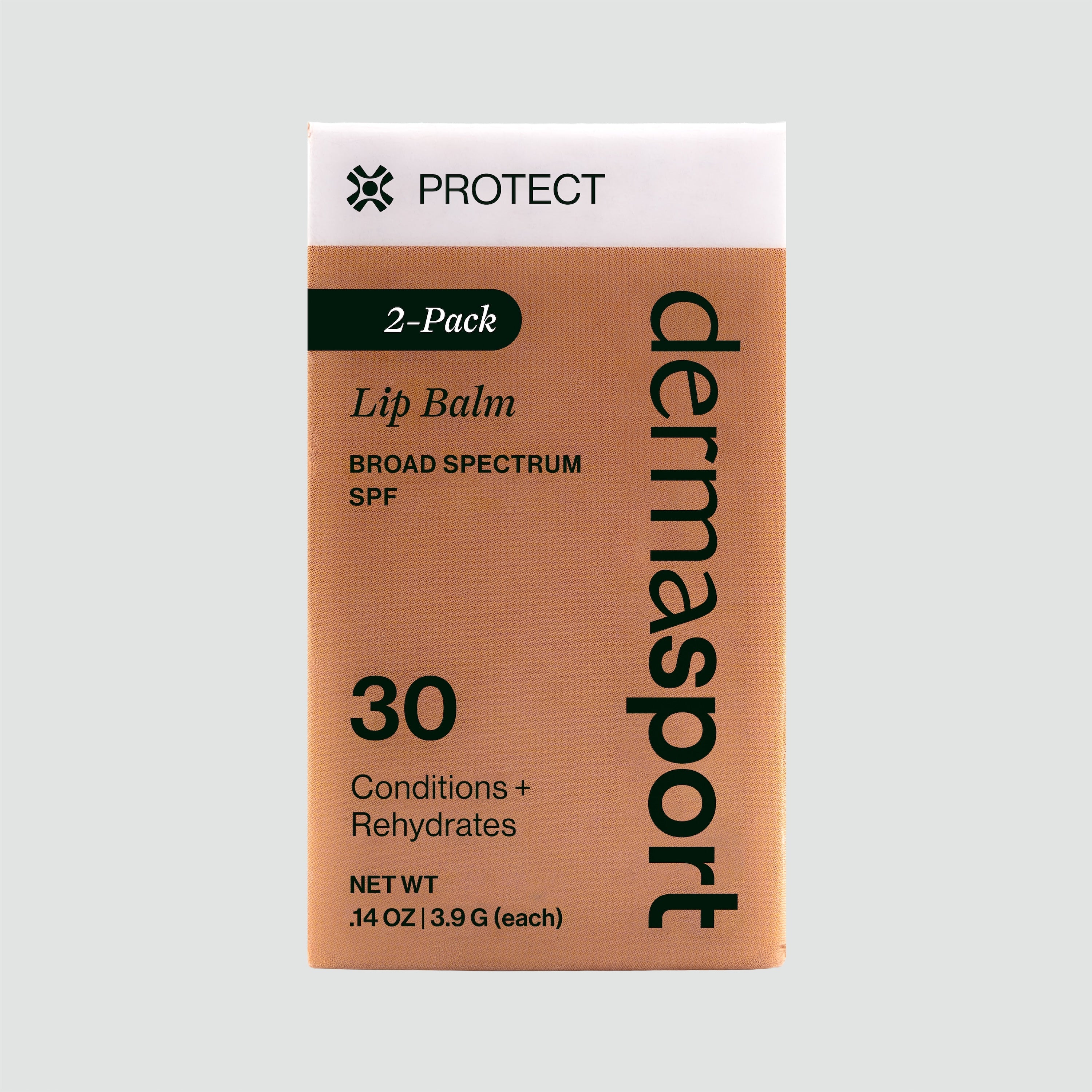
If you want sun protection designed around active lifestyles, explore Dermasport’s sunscreen options and find the formula that fits your training routine.


