
You can finish an outdoor season fitter, faster, and with more UV exposure than you realize.
A summer of long runs, pool decks, tournaments, rides, or outdoor workouts does not suddenly show up as a new wrinkle when the season ends. The changes linked to UV exposure build much more gradually.
Over time, repeated unprotected exposure can contribute to wrinkles, uneven tone, and changes in skin texture.
Sunscreen cannot stop your skin from aging. But consistent sun protection can help reduce the part of that aging driven by UV exposure.
In this blog, we will look at how repeated UV exposure affects your skin, whether sunscreen can help prevent wrinkles, and what athletes should look for in protection that fits outdoor training.
One Outdoor Season Won’t Age Your Skin Overnight, but Exposure Adds Up
Think about how many outdoor hours can accumulate across an entire season.
Morning runs, tournaments, bike rides, swim practices, ski days, and golf rounds may each feel separate, but your skin experiences the exposure across all of them.
Dermatologists use the term photoaging for premature skin aging caused by repeated UV exposure.
It happens gradually. You are unlikely to notice a visible change after one workout, which is exactly why consistent protection matters over months and years.
Does Sunscreen Prevent Wrinkles? Here’s What It Can Actually Do
Sunscreen cannot prevent natural aging, and it cannot guarantee that wrinkles will never develop.
What it can do is help reduce the UV exposure that contributes to premature skin aging.
There is evidence behind that distinction. In a randomized controlled trial, adults assigned to regular sunscreen use showed 24% less measurable skin aging over 4.5 years than those who used sunscreen at their discretion.
That does not make sunscreen a wrinkle treatment. Think of it as protection against one factor you can control. Regular sunscreen use helps limit the additional skin aging associated with repeated UV exposure.
You Didn’t Burn. Your Skin Still Saw UV.
No sunburn does not mean no UV exposure.
UVB rays are closely associated with sunburn, while UVA rays play a major role in premature skin aging. That means using redness as your only sign of sun exposure can be misleading.
For outdoor protection, broad-spectrum sunscreen matters because it protects against both UVA and UVB rays.
If sunscreen labels start to blur together, Dermasport’s guide to broad-spectrum and water-resistant sunscreen explains what those terms actually mean.
Outdoor Athletes Get More UV Opportunities Than They Think

Think beyond the workout itself.
A morning run may include the walk home. A tournament can mean hours between games. Pool practice includes time standing on deck, and a golf or cycling day can keep you outside for much longer than the activity feels.
Those smaller periods matter because they keep repeating across a season.
That does not mean outdoor training is bad for your skin. It means sun protection should match the amount of time you actually spend outside, not just the part you count as the workout.
Looking for a “Wrinkle Sunscreen”? Don’t Stop at the SPF Number
A bottle marked SPF 50 can still leave an important question unanswered: does it also protect against the UVA associated with premature skin aging?
That is why athletes should look beyond the SPF number.
For outdoor training, check for:
-
Broad-spectrum protection
-
SPF 30 or higher
-
Water resistance
-
A formula you can apply properly and realistically reapply
The SPF number mainly reflects protection against UVB-related sunburn. Broad-spectrum protection tells you the formula also protects against UVA.
And sunscreen coverage does not last indefinitely. Sweat, swimming, towel drying, and time outdoors can all affect how well you stay protected.
Dermasport’s Sunscreen 101 guide covers the basics of choosing, applying, and reapplying sunscreen.
Will You Still Want to Wear It Once the Workout Starts?
That matters more than it sounds.
A sunscreen can check every box on the label, but if it feels uncomfortable when you sweat, runs toward your eyes, or makes you reluctant to apply enough, consistency becomes harder.
If you are searching for a wrinkle sunscreen, focus less on that label and more on whether the formula gives you broad-spectrum protection that works with your training routine.
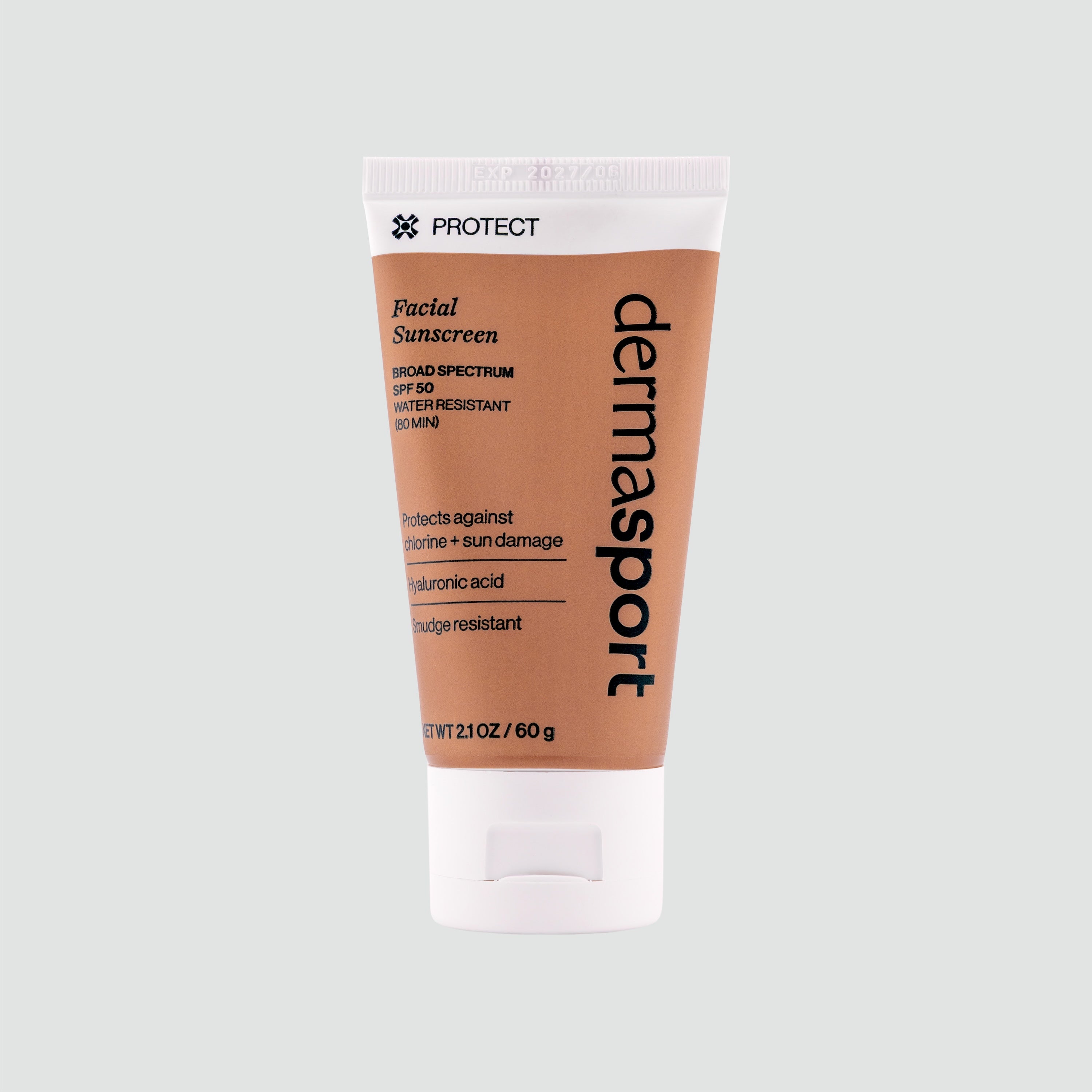
Dermasport’s SPF 50 Facial Sunscreen Lotion provides broad-spectrum SPF 50 protection, 80 minutes of water resistance, and 20% non-nano zinc oxide.
The goal is not to find a sunscreen that promises to stop wrinkles. It is to find protection you can use consistently when you are actually outside.
Missed Sunscreen All Summer? Start With the Next Workout
Maybe your sun protection was inconsistent this season. That does not mean the opportunity has passed.
You cannot change the UV exposure your skin has already received, but you can change what happens next.
Apply sunscreen before outdoor activity. Reapply as directed. Use protective clothing, hats, and shade when practical. Keep sunscreen somewhere easy to reach instead of buried at the bottom of your gear bag.
You do not need a perfect history. You need a routine you can repeat from here.
Frequently Asked Questions
Does sunscreen prevent wrinkles?
Sunscreen can help reduce premature wrinkles associated with UV exposure, but it cannot stop natural aging or guarantee that wrinkles will never develop.
Can sunscreen reduce wrinkles you already have?
Sunscreen is mainly preventive. It helps limit additional UV-related skin aging rather than removing wrinkles that have already developed.
Is SPF 30 or SPF 50 better for preventing wrinkles?
Both can provide strong protection when used correctly. Choose broad-spectrum SPF 30 or higher, apply enough, and reapply as directed.
Does sunscreen help with wrinkles if you only wear it during outdoor workouts?
It helps reduce UV exposure during those sessions, but sun exposure happens outside workouts too. Consistent protection whenever you spend time outdoors is more useful.
Does UVA or UVB cause wrinkles?
UVA is strongly associated with premature skin aging, while UVB is better known for causing sunburn. Broad-spectrum sunscreen protects against both.
Your Training Adds Up. So Does Sun Exposure.
One workout is not the issue. It is the accumulation of outdoor hours across months and years that makes consistency matter.
Sunscreen cannot stop natural aging, but regular broad-spectrum protection can help reduce the UV-related damage that contributes to earlier signs of aging.
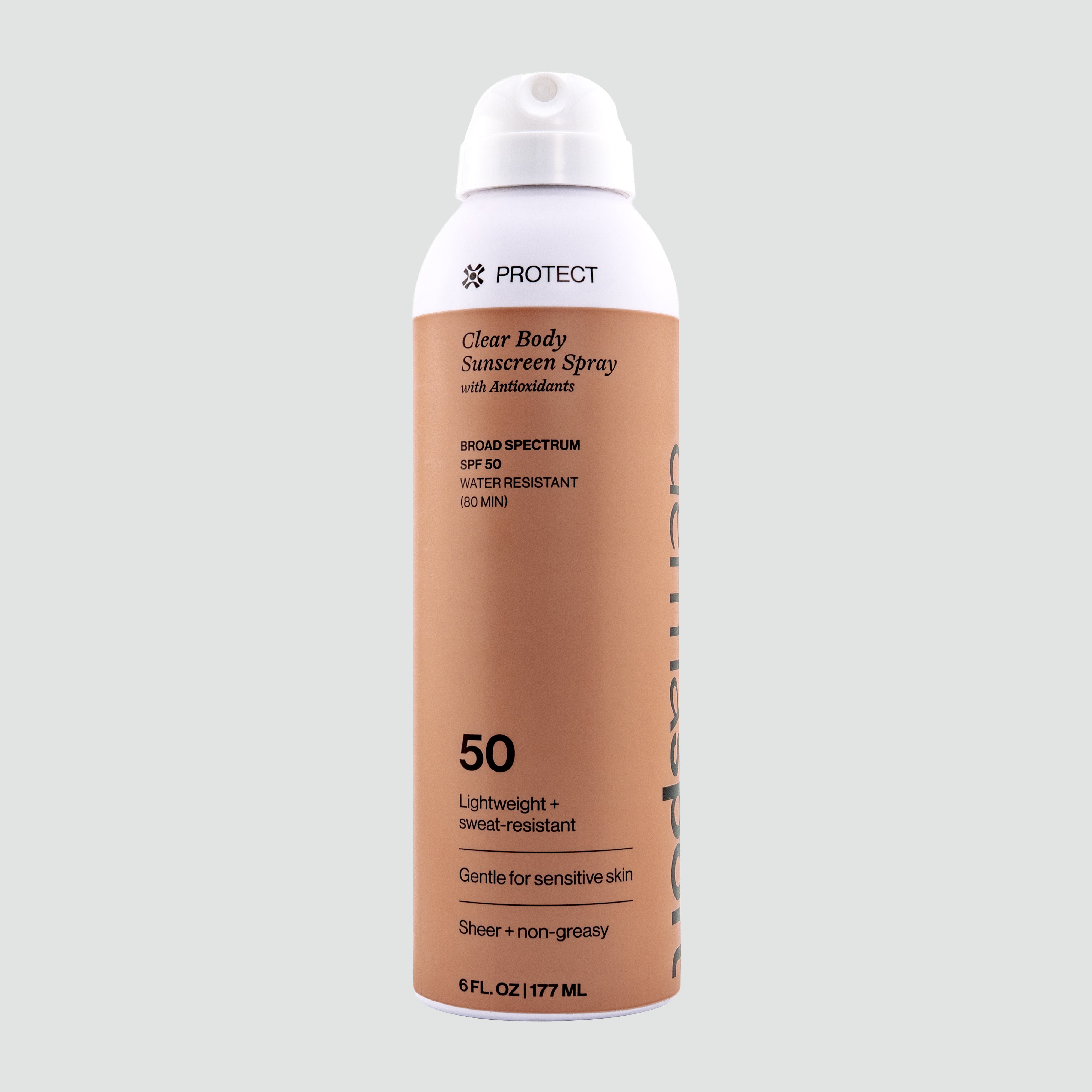
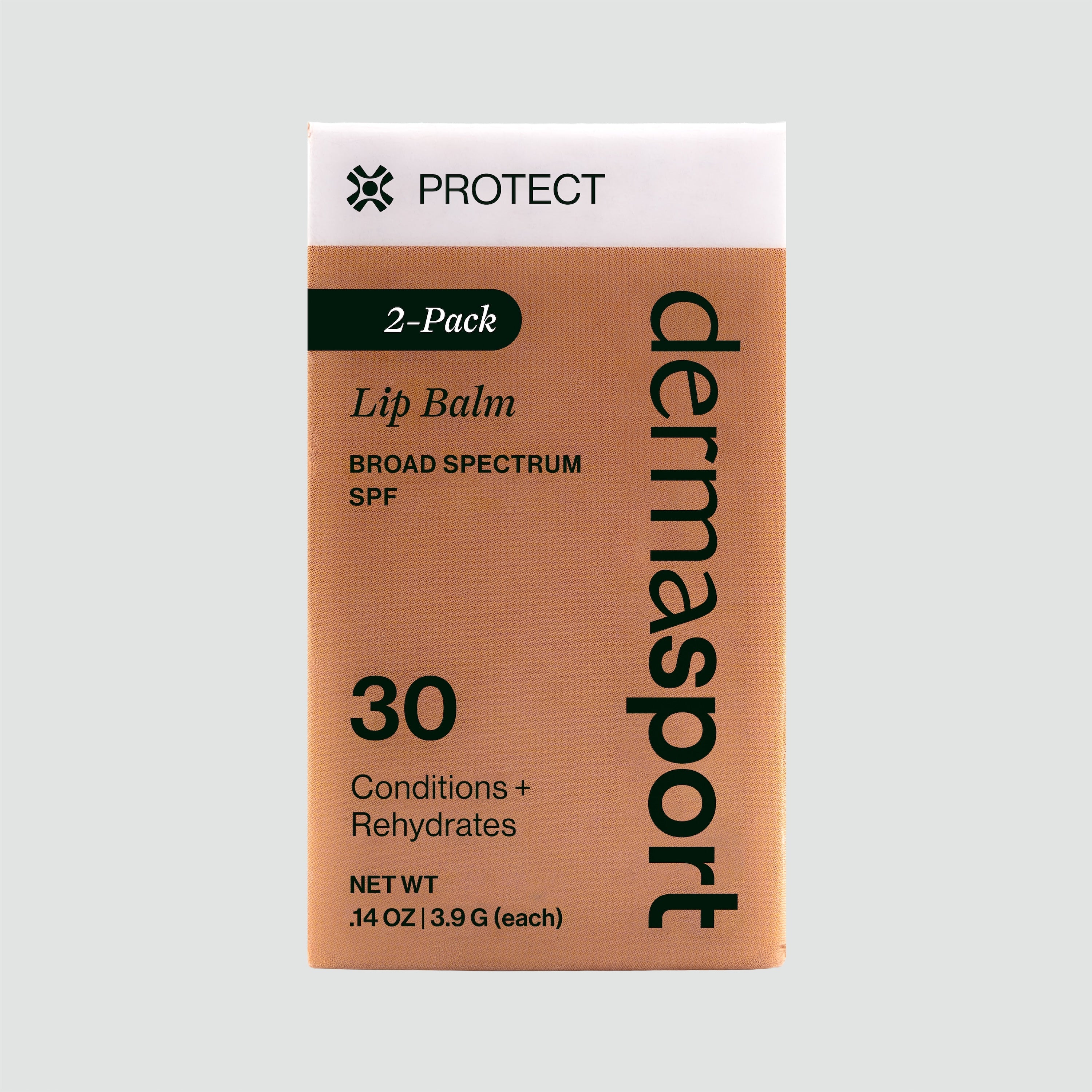
Make sun protection another part of preparing for outdoor training. Explore Dermasport’s sunscreen options to find protection that fits the way you train.


